
Have you ever found yourself wondering, “Can ADHD be masked?” The idea that someone might hide the signs of Attention-Deficit/Hyperactivity Disorder (ADHD) may sound unlikely, but it’s more common than you might think. From high achievers to those who meticulously manage their day-to-day routines, many individuals with ADHD have developed ways to conceal their symptoms. Let’s unpack the complexities, societal pressures, and everyday realities that contribute to this hidden struggle.
Understanding ADHD
Before delving into the nuances of masking ADHD, it’s essential to grasp what ADHD actually entails. ADHD is a neurodevelopmental disorder characterized by persistent patterns of inattention, hyperactivity, and impulsivity that interfere with functioning or development. Although traditionally associated with children, ADHD can affect adults as well.
Symptoms of ADHD
ADHD symptoms can be categorized into two main areas: inattention and hyperactivity-impulsivity.
Inattention
Symptoms include:
- Difficulty sustaining attention in tasks or play activities
- Often making careless mistakes
- Avoiding tasks that require sustained mental effort
- Frequently losing things necessary for tasks
- Easily distracted by extraneous stimuli
Hyperactivity-Impulsivity
Symptoms include:
- Fidgeting with or tapping hands and feet
- Leaving seat in situations when staying seated is expected
- Feeling restless or having difficulty staying quiet
- Interrupting others or intruding on conversations
The Concept of Masking
Masking in the context of ADHD involves consciously or unconsciously hiding symptoms to conform to societal norms or expectations. This often means overcompensating in areas of weakness, adopting coping mechanisms, and striving to maintain appearances.
Why People Mask ADHD
There are several reasons why individuals might mask their ADHD symptoms:
- Social Pressures: The desire to fit in or avoid stigma can drive people to hide their symptoms.
- Professional Expectations: Workplaces often demand sustained attention and organization, making it necessary to conceal ADHD traits.
- Internalized Beliefs: Often, individuals have internalized the belief that they should be able to control their behavior.
Social Pressures
Living in a society that prizes focus, order, and productivity puts immense pressure on those with ADHD to adhere to these standards. To avoid criticism or social exclusion, many adopt behaviors that mask their symptoms.
Professional Expectations
In professional settings, especially high-stakes or fast-paced environments, revealing ADHD traits can sometimes be perceived as a weakness. The pressures to meet deadlines, stay organized, and follow through on tasks compel individuals to hide their symptoms.
Internalized Beliefs
Many people with ADHD grow up hearing phrases like “just try harder” or “you’re not applying yourself.” Over time, these messages become internalized, leading individuals to believe that they must suppress their symptoms to succeed.
Methods of Masking
Masking ADHD symptoms involves a variety of strategies, some conscious and others not. These methods can range from extreme organizational tactics to adopting behaviors that divert attention away from their struggles.
Organizational Strategies
Many individuals with ADHD adopt rigorous organizational methods to keep their symptoms at bay. These can include:
- Detailed Planning: Utilizing planners, agendas, and digital calendars to keep track of tasks.
- Lists: Creating and maintaining lists for daily tasks, goals, and projects.
- Timers and Alerts: Setting up reminders to ensure tasks are completed on time.
Behavioral Adaptations
To avoid standing out, individuals often adapt their behavior in social and professional settings:
- Mimicking Others: Adopting the behaviors and speech patterns of peers to fit in.
- Overcompensation: Going above and beyond in certain areas to make up for perceived weaknesses.
- Avoidance: Steering clear of situations where ADHD traits may be noticeable.
Cognitive Strategies
Some people employ cognitive strategies to manage their symptoms:
- Self-Talk: Using positive affirmations to stay focused and motivated.
- Mindfulness: Practicing mindfulness and meditation to manage impulsivity and hyperactivity.
The Impact of Masking
While masking can help individuals navigate social and professional landscapes, it comes with its own set of challenges and consequences.
Emotional Toll
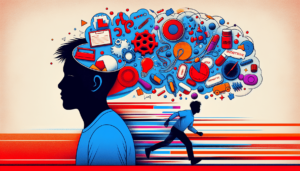
Concealing ADHD symptoms requires constant mental effort, leading to emotional exhaustion, anxiety, and sometimes depression. The discrepancy between their internal struggles and external appearance can create a feeling of inauthenticity.
Relationship Struggles
Masking can also impact relationships. Those who mask their symptoms may struggle with intimacy and trust, fearing that revealing their true selves will lead to rejection.
Missed Diagnosis
One of the most significant impacts of masking is the risk of a delayed or missed diagnosis. If symptoms are well-concealed, it becomes challenging for healthcare providers to identify ADHD, preventing individuals from receiving appropriate support and treatment.
Unmasking: The Path to Authenticity
Unmasking ADHD involves embracing one’s symptoms and seeking strategies to manage them openly and authentically. This doesn’t mean abandoning coping mechanisms but rather adjusting them to be more in line with one’s true self.
Seeking Professional Help
Professional guidance can be invaluable for those looking to unmask their ADHD. Therapists and medical professionals can provide strategies to manage symptoms effectively.
Medication and Therapy
Medication and behavioral therapies can offer significant relief from ADHD symptoms. A combination of the two often results in the best outcomes.
Medication
Medications like stimulants (e.g., Adderall, Ritalin) and non-stimulants (e.g., Strattera) can help manage symptoms by balancing neurotransmitter levels in the brain.
Therapy
Cognitive Behavioral Therapy (CBT) and other forms of psychotherapy can equip individuals with the tools to manage their symptoms in a healthy, sustainable way.
Building a Support System
Having a reliable support system is essential. Sharing struggles with trusted friends and family can alleviate the emotional burden of masking and foster a sense of belonging and understanding.
Honest Conversations
Open discussions about ADHD can help demystify the condition and reduce the stigma. When you share your experiences, you pave the way for others to do the same.
Community Support
Joining support groups, either in-person or online, can provide a sense of community and shared experiences. Knowing you’re not alone in your struggles can be incredibly empowering.
Developing Sustainable Coping Strategies
Transitioning from masking to unmasking requires adopting strategies that are sustainable in the long run. These might include:
- Time Management Techniques: Using methods like the Pomodoro Technique to manage time more effectively.
- Mindfulness Practices: Incorporating mindfulness techniques to stay present and reduce impulsivity.
- Physical Activity: Engaging in regular exercise to help manage hyperactivity and improve focus.
Living Authentically with ADHD
Embracing your ADHD means acknowledging and accepting your symptoms while adopting strategies to live a fulfilling life. Authentic living doesn’t mean you’ll never struggle; it means you’ll face these challenges head-on, equipped with the knowledge and support to manage them.
Self-Acceptance
The first step towards living authentically is accepting your ADHD as a part of who you are. This acceptance can reduce the mental burden of masking and lead to a happier, healthier life.
Reframing ADHD
Instead of viewing ADHD as a disorder, consider reframing it as a different way of thinking. Many people with ADHD are creative, energetic, and capable of innovative problem-solving. Embracing these strengths can shift your perspective and improve your self-esteem.
Setting Realistic Goals
Setting realistic, achievable goals is crucial. Break down larger tasks into smaller, manageable steps, and celebrate your successes, no matter how small they may seem.
Conclusion
ADHD is a complex condition that manifests uniquely in each person. While masking can provide temporary relief and help navigate societal expectations, it often comes at a significant emotional and psychological cost. Embracing your ADHD, seeking appropriate support, and developing sustainable coping strategies can lead to a more authentic, fulfilling life. Remember, unmasking your ADHD is not about exposing your flaws but rather about showing the world—and yourself—your true, multifaceted nature. So, can ADHD be masked? Absolutely. But it’s the journey towards unmasking that truly liberates.
Summary Table
| Topic | Key Points |
|---|---|
| Understanding ADHD | Neurodevelopmental disorder with symptoms split into inattention and hyperactivity-impulsivity |
| Concept of Masking | Hiding symptoms to conform to societal norms and expectations |
| Why People Mask | Social pressures, professional expectations, and internalized beliefs |
| Methods of Masking | Organizational strategies, behavioral adaptations, and cognitive strategies |
| Impact of Masking | Emotional toll, relationship struggles, and risk of missed diagnosis |
| Unmasking ADHD | Embracing symptoms, seeking professional help, building a support system |
| Living Authentically with ADHD | Self-acceptance, reframing ADHD, setting realistic goals |
By seeking to understand the layers behind masking ADHD, you’re taking the first step towards fostering a more accepting and supportive environment. Whether you have ADHD or know someone who does, this insight can help create a world where everyone feels comfortable being their authentic selves.
Share this article on Pinterest!